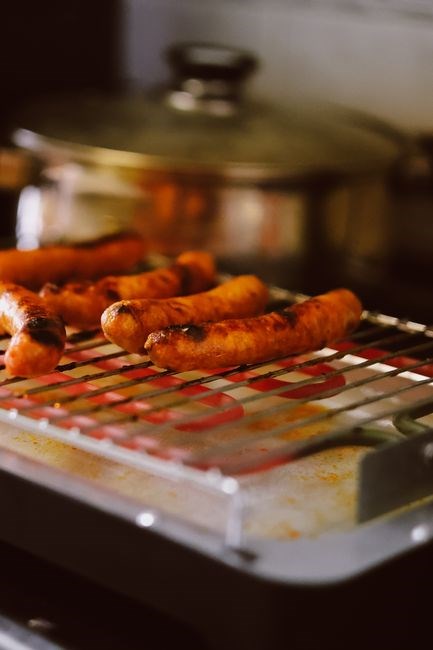
Mastering heat levels guarantees even searing, juicy results, and prevents over‑cooking. Most units run 375°F–500°F (190°C–260°C). Preheat to the suggested setting before adding food for consistent performance. Enjoy tasty bite! The grill’s quick release ensures safe handling. Enjoy! Now
Why Accurate Temperature Settings Matter for Even Cooking
Accurate temperature control is essential for achieving uniform doneness across all portions of a dish. When a George Foreman grill operates at the precise heat level recommended for each food type, the thermal energy is distributed evenly across the contact surfaces, preventing the outer edges from burning while the interior remains undercooked. This balance is critical for thicker cuts of meat, such as steak or burger patties, where heat must penetrate to the center without scorching the exterior. Consistent temperatures help maintain moisture content, preserving juiciness and flavor. Fluctuations in heat can cause the grill’s surface to become excessively hot, leading to rapid Maillard reactions that lock in juices and create a charred crust, masking subtle flavors. Conversely, temperatures that are too low result in prolonged cooking times, allowing moisture to evaporate and the food to dry out. By adhering to the specified temperature ranges—typically 375°F to 500°F (190°C to 260°C)—cooks can reliably produce a crisp exterior and a tender interior. Precise heat management reduces the risk of foodborne pathogens by ensuring internal temperatures reach safe thresholds quickly, thereby shortening overall cooking time. Mastering these temperature nuances transforms a simple appliance into a tool, enabling restaurant‑quality meals at home. Ultimately, meticulous calibration guarantees even cooking, optimal texture, and consistent flavor across batch!!!
The George Foreman grill family shares a unified heat spectrum that spans from 195 °C (375 °F) to 245 °C (500 °F). This range accommodates a wide variety of foods, from delicate vegetables to robust meats, ensuring each item receives the optimal thermal exposure. At the lower end, 195 °C is ideal for lightly searing poultry or sautéing vegetables, allowing moisture to be retained while achieving a golden crust. Mid‑range temperatures around 215 °C (425 °F) strike a balance for thicker cuts, such as 1‑inch burgers or steak slices, delivering a juicy interior with a flavorful sear. The upper limit of 245 °C (500 °F) is reserved for high‑heat tasks, such as crisping bacon or achieving a pronounced char on thin slices of beef or pork. Consistency across models means that whether you own a GRP4PVT, a newer 4‑panel version, or a compact 2‑panel variant, the same temperature controls apply, simplifying the learning curve. Users can rely on the built‑in digital display or the analog dial to set the grill to the desired value, confident that the appliance will maintain the selected heat throughout the cooking cycle. This standardized range also aligns with safety guidelines, ensuring that the grill’s surface temperature does not exceed 260 °C (500 °F) for prolonged periods, thereby reducing the risk of flare‑ups or excessive smoke. By mastering this common temperature band, cooks can confidently transition between recipes, knowing that the grill’s performance will remain predictable and reliable across all models.
In practice, setting the grill to 225 °C (425 °F) often yields the best all‑round results for everyday meals. The appliance’s thermal mass stabilizes quickly, so the first few minutes of cooking are critical for achieving the right sear. This consistency also facilitates troubleshooting; a simple 10‑15 °C adjustment can correct over‑ or under‑cooking, giving users precise control. It also simplifies recipe adaptation across brands. The uniform range ensures safety and flavor!!!
Preheating the Grill Effectively
Set the grill to 350°F (175°C) before adding food. Allow 3–5 minutes for thin items, 5–7 minutes for thicker cuts. This ensures even searing, prevents sticking, and adjusts time based on food type and desired doneness.
Adjust time now.
Recommended Preheat Temperature (350°F / 175°C) for Most Foods
Setting the grill to 350 °F (175 °C) before placing any food is the most reliable way to achieve even cooking and a satisfying sear on a George Foreman grill. Most manufacturers recommend 350 °F as the default preheat setting because it falls within the typical operating range of 375 °F–500 °F for these units, yet it is low enough to keep the grill’s surface from scorching while still providing enough heat to lock in juices. When you set the grill to 350 °F, allow it to run for 3–5 minutes for thin slices such as chicken breasts, pork chops, or vegetable medleys. Thicker cuts, like 1‑inch steak or large burger patties, benefit from a slightly longer preheat of 5–7 minutes to ensure the interior reaches the target temperature evenly. The preheat phase also helps eliminate any residual moisture from the grill plates, reducing the risk of steaming and ensuring a crisp, caramelized surface. If you’re cooking a batch of frozen items, give the grill an extra minute or two to compensate for the lower starting temperature. Once the grill reaches the target, you can confidently place your food on the plates, knowing that the heat is distributed consistently across the surface. This approach also shortens overall cooking time, as the grill is already at the optimal temperature when the food contacts the plates, preventing the need for prolonged cooking to achieve the same results. By adhering to the 350 °F preheat guideline, you’ll consistently produce food that is tender inside, flavorful on the outside, and ready to serve in a fraction of the time you might expect with lower settings. The grill’s quick‑release feature guarantees safe handling while cooking every.
Preheat Duration Guidelines Based on Food Type and Thickness
When using a George Foreman grill, the preheat time should be tailored to the specific food and its thickness; For thin items such as sliced bell peppers, zucchini, or ½‑inch chicken breast, a 3‑minute preheat at 350 °F (175 °C) is sufficient to bring the plates to the desired temperature. Medium‑thick foods—1‑inch pork chops, 1‑inch steak, or 1‑inch burger patties—require a slightly longer preheat of 5‑7 minutes to ensure the interior reaches the target temperature evenly. Thicker cuts, like 1½‑inch ribeye or 2‑inch steak, benefit from a 7‑10 minute preheat; this allows the grill plates to stabilize and maintain consistent heat across the larger surface area. Frozen items should receive an extra 2‑3 minutes of preheat to compensate for the lower starting temperature. If you are cooking a batch of multiple items with varying thicknesses, preheat the grill to 350 °F for 5 minutes, then adjust the cooking time for each piece accordingly. A well‑preheated grill reduces the risk of uneven cooking, sticking, and over‑drying, ensuring that each bite delivers the intended texture and flavor profile. Always let the grill sit for the recommended duration before placing food on the plates; this small step guarantees optimal performance and consistent results across all meal preparations.
Adjusting preheat time by thickness guarantees even cooking for every dishes now.!
Cooking Burgers on a George Foreman Grill
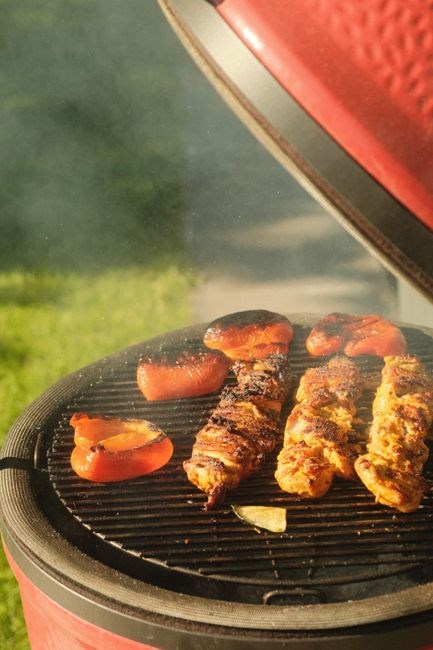
For juicy 1‑1.5” patties, set the grill to 375‑400°F (190‑204°C). Cook 3‑4 min per side, flipping once. Keep the lid closed to trap heat. Use a meat thermometer: 160°F (71°C) for medium‑rare, 170°F (77°C) for medium. Enjoy! Serve with fresh toppings and a side of crisp salad. for dinner.
Ideal Temperature (375-400°F / 190-204°C) and Timing for 1‑1.5” Patties
Set the grill to 375‑400°F (190‑204°C) for optimal sear and moisture retention. Preheat for 3‑5 minutes until the surface reaches the target temperature. Place 1‑1.5” thick patties on the grill, spacing them to avoid overlap. Cook for 3‑4 minutes on the first side, then flip once and cook another 3‑4 minutes. The total time should not exceed 8 minutes to prevent drying. Use a digital thermometer to confirm the internal temperature: 160°F (71°C) for medium‑rare, 170°F (77°C) for medium, and 180°F (82°C) for well‑done. Let the burgers rest for 2 minutes after removal to allow juices to redistribute. This method yields a tender center with a caramelized crust, ideal for classic burgers, veggie patties, or even thin slices of steak. Adjust the timing slightly for thicker or thinner cuts, but keep the temperature range consistent for best results.
For 1‑1.5” patties, a 3‑minute first side followed by a 3‑minute second side typically yields a medium‑doneness. If you prefer a firmer crust, extend the first side to 4 minutes and reduce the second side to 2 minutes. Conversely, for a rare center, keep each side to 2 minutes. For thicker cuts, increase the total cooking time by 1‑2 minutes per side. For thinner cuts, reduce by 30 seconds. Adjusting the timing while keeping the temperature constant ensures consistent results across batches. Enjoy a perfect bite.
Tips for Achieving Juicy, Seared Burgers
To lock in juices while still getting a crisp sear, let the patties sit at room temperature for 15 minutes; this reduces the temperature differential and keeps the interior from drying. Season the surface lightly with salt and pepper just before placing them on the grill; the salt draws out moisture, then reabsorbs it during cooking. Preheat the grill to 375‑400°F (190‑204°C) for 3‑5 minutes, ensuring the plates are hot enough to sear instantly. Place the patties on the grill and close the lid; the pressure from the top helps seal the exterior. Flip only once, after 3‑4 minutes, and avoid pressing down with a spatula, as this squeezes out fat. Brush a layer of olive oil or melted butter on the top of each patty before flipping to create a crust. Sprinkle a pinch of paprika or add a dash of Worcestershire sauce for a note. After flipping, cook for another 3‑4 minutes, then remove the patties and let them rest on a plate for 2 minutes; this allows juices to redistribute. Slice the burger before serving to keep the interior moist. Use a thermometer to check for 160°F (71°C) for medium‑rare, 170°F (77°C) for medium, and 180°F (82°C) for well‑done. These steps combine to produce a burger that is both juicy inside and seared on the outside and seasoned carefully!!
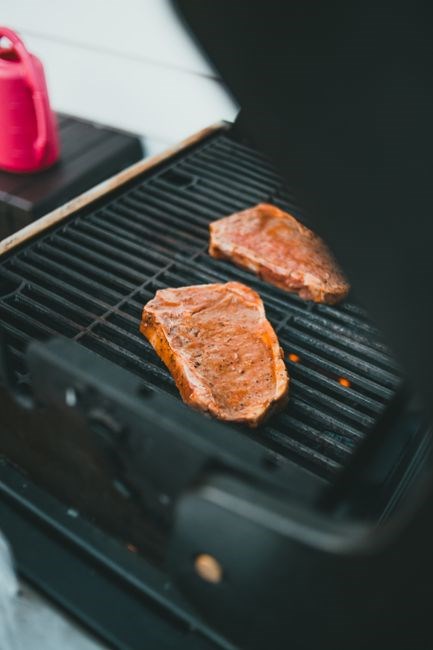
Grilling Steak and Other Meats
Use a 375‑400°F setting for thin cuts and 350‑375°F for thicker steaks. Aim for 120‑125°F internal for medium‑rare, 135°F for medium. Let steak rest 5 minutes after grilling to redistribute juices. Add herbs or butter for flavor. Keep the lid closed to trap heat and use a thermo fast.
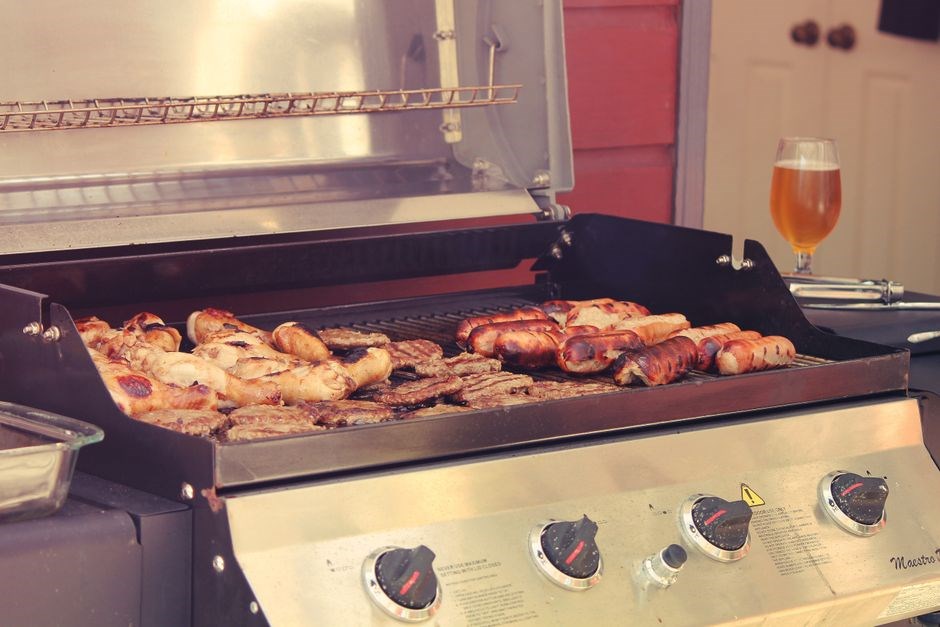
Temperature Settings per Steak Thickness (Thin 400°F, Thick 375°F)
For optimal sear and juiciness, adjust the grill’s heat to match the steak’s profile. Thin slices (≤1 in.) benefit from a higher 400 °F setting, ensuring a quick crust while preventing over‑cooking the interior. Thicker cuts (≈1.5‑2 in.) should be set to 375 °F; this moderate heat allows the meat to cook through evenly, preserving moisture and achieving a desirable medium‑rare or medium finish. Always preheat the grill for 5‑7 minutes before placing the steak, and use a calibrated meat thermometer to confirm the target internal temperature (120‑125 °F for medium‑rare, 135‑145 °F for medium). Let the steak rest for 5 minutes after grilling to allow juices to redistribute. For added flavor, brush the meat with olive oil or a savory rub before cooking, and consider finishing with a pat of butter or a splash of wine reduction. Remember that the grill’s dual‑plate design promotes rapid heat transfer; keep the lid closed to maintain a consistent temperature and avoid flare‑ups. By tailoring the heat to thickness, you’ll consistently achieve a perfectly seared exterior and a tender, juicy interior every time.
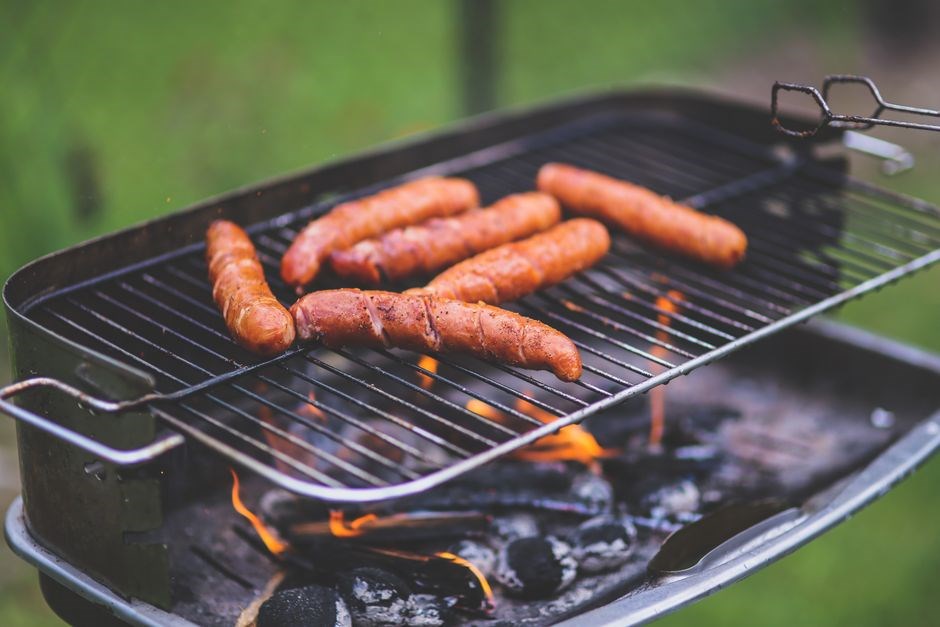
For thicker cuts, sear at 400°F for 2 min per side, then lower to 375°F until the target internal temperature is reached. Marinate for 30 min to boost tenderness. Let rest 5 min after grilling.
Use a meat thermometer to ensure doneness and avoid overcooking.
Keep the lid for warm!!!!!
Target Internal Temperatures and Suggested Grilling Times
For a classic medium‑rare steak, aim for 125–130 °F (52–54 °C) inside; grill 3–4 min per side at 400 °F for thin cuts, 4–5 min per side at 375 °F for thicker ones. A medium finish (140–145 °F / 60–63 °C) requires 4–5 min per side at 400 °F or 5–6 min per side at 375 °F. Chicken breast should reach 165 °F (74 °C); cook 5–6 min per side at 375 °F, ensuring the center is no longer pink. Ground turkey or lean beef patties need 160 °F (71 °C); grill 4–5 min per side at 375 °F. For pork chops, 145 °F (63 °C) is safe; 5–6 min per side at 375 °F suffices. Fish fillets (salmon, tilapia) should hit 145 °F (63 °C) and 3–4 min per side at 400 °F gives a flaky texture. Always let meat rest 5 min to allow juices to redistribute; this resting period can raise the internal temperature by 5 °F (3 °C). Use a reliable thermometer to avoid over‑cooking and ensure food safety.
Lorem ipsum dolor sit amet, consectetur adipiscing elit. Phasellus vehicula, justo at gravida placerat, elit justo varius mauris, non fermentum orci massa. Integer lacinia, magna at gravida porta, metus erat ullamcorper magna, ut blandit metus. Sed quis massa sed risus consequat. Proin euismod, magna sed viverra, elit massa tincidunt, at dictum magna. Donec tempor, massa vitae Vestibulum ac lacus eget magna pharetra. Suspendisse potenti. Curabitur vel magna sed lacus. Etiam vitae magna. Donec vitae. Ut elit!
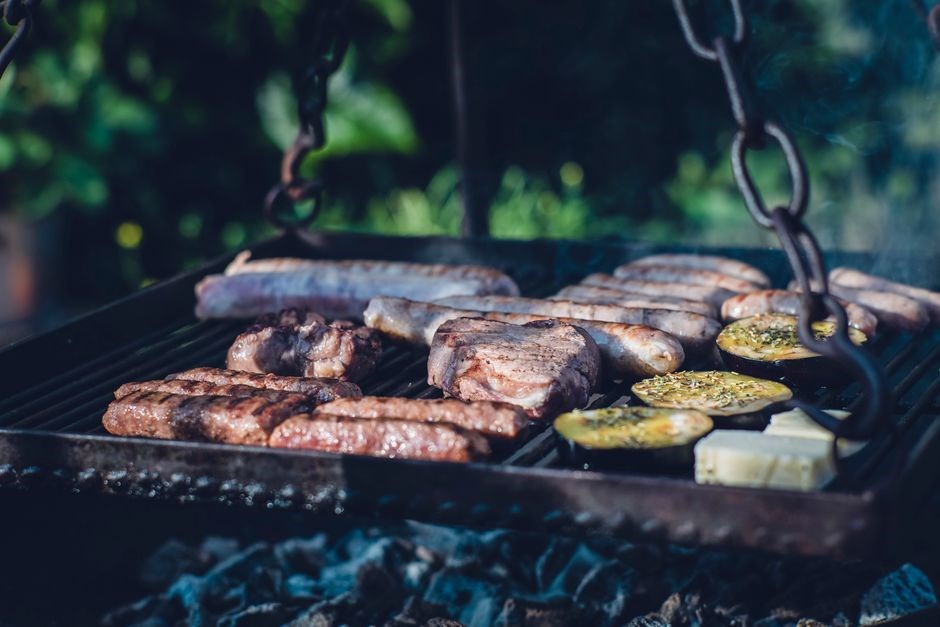
Adjusting Settings for Different Grill Models and User Preferences
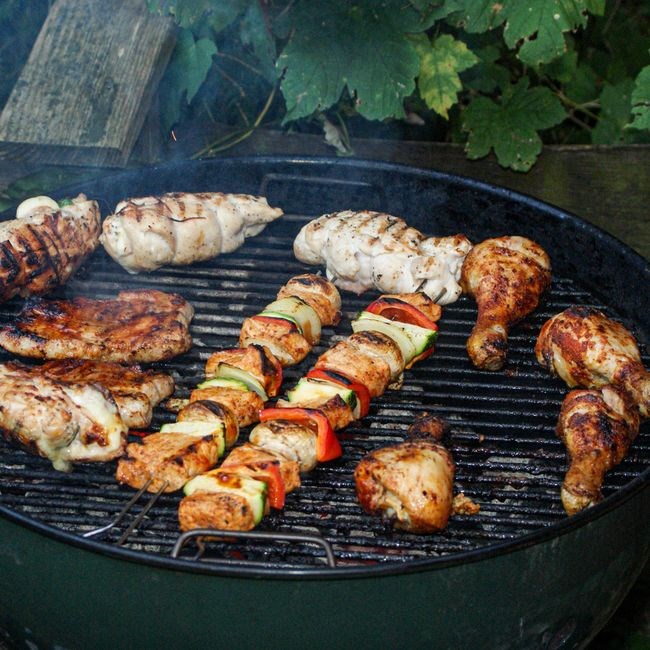
Adjust your grill’s heat by reading the manual’s scale, converting Celsius to Fahrenheit when needed. For automatic models, set the dial to “medium” (≈375 °F) and let the unit self‑regulate; manual units require precise temperature input for best results Use a digital thermometer for accuracy
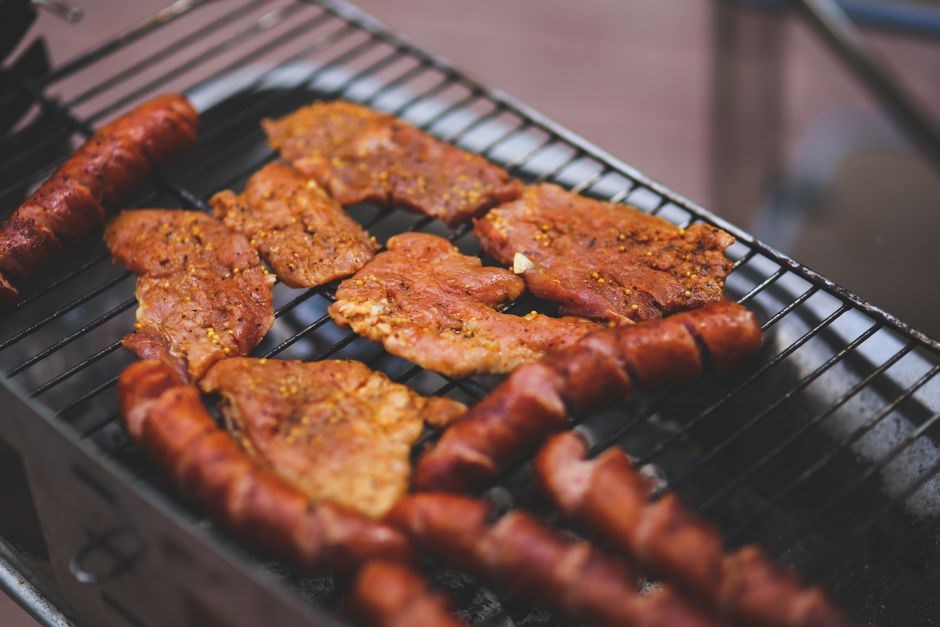
Interpreting Manual Temperature Scale and Converting Celsius to Fahrenheit
Most George Foreman grills display a manual temperature scale in Celsius on the control dial or digital readout. The scale usually spans from 195 °C to 245 °C, corresponding to 375 °F to 500 °F. Converting Celsius to Fahrenheit is simple: multiply by 9/5 and add 32. For example, 210 °C × 9/5 = 378 °F, +32 gives 410 °F. A quick mental trick: 200 °C equals 392 °F, and each 10 °C adds about 18 °F. Match the grill’s temperature to the food’s thickness and desired doneness: 210 °C (410 °F) for lighter cuts, 245 °C (500 °F) for thicker meats. Preheat for 5–7 minutes before placing food. Use a thermometer. If the display shows a value, read it; if a dial, turn to the Celsius mark. Adjust the setting as needed to maintain consistent heat throughout the cooking session. This ensures perfect results.
Consult the manual for Fahrenheit labels; convert to Celsius using the same formula. For instance, 400 °F ≈ 204 °C, 375 °F ≈ 190 °C. This helps when recipes use Celsius but the grill shows Fahrenheit; Many Foreman grills have automatic temperature control; select the desired setting and let the grill maintain it. With manual control, adjust the dial until the display shows the target Celsius temperature. Test a small piece of food at the chosen temperature to confirm the grill reaches the intended heat before cooking a full batch. Adjust gradually to avoid heat spikes.
Here’s a handy conversion table: 195 °C = 375 °F, 210 °C = 410 °F, 225 °C = 437 °F, 240 °C = 464 °F, 245 °C = 500 °F. Use it to cross‑check your grill’s setting against recipe recommendations. For poultry, aim 190–204 °C (375–400 °F) for juicy interior and crisp exterior. For fish fillets, lower range 175–190 °C (350–375 °F) prevents drying. This ensures even doneness. Taste.
Choosing Between Automatic and Manual Heat Controls for Precise Cooking
When selecting a George Foreman grill, the choice between automatic and manual heat controls hinges on convenience, precision, and the cook’s experience. Automatic models feature a built‑in thermostat that maintains a preset temperature; the grill turns on and off to keep the surface steady, which is ideal for beginners or when cooking large batches of uniform items such as burgers or chicken breasts; Manual units, on the other hand, allow the user to set a fixed temperature dial or digital input and keep the grill on continuously. This gives seasoned cooks finer control over the sear and the final internal temperature, especially for thicker cuts or when experimenting with different heat profiles. Automatic grills typically cover a range of 375 °F–500 °F (190 °C–260 °C), but the actual temperature can drift slightly due to the on/off cycling. Manual grills, by contrast, maintain a constant heat source, which can be advantageous for achieving a crisp crust on steak or for slow‑cooking larger cuts that benefit from steady heat. The decision ultimately depends on the user’s comfort level: automatic for consistency and ease, manual for precision and experimentation. Consider the grill’s size, the types of foods you cook most often, and whether you prefer a hands‑off approach or a hands‑on experience. Testing both modes on a small batch can help determine which aligns best with your cooking style. For those who enjoy the tactile feel of a heat dial, manual models provide a satisfying sense of control. Conversely, automatic models relieve the cook from monitoring the grill, allowing focus on seasoning and timing. Both options can deliver excellent results when used correctly, but the choice reflects personal preference and cooking goals.