
NJ Permit Test: A Comprehensive Study Plan (Updated April 16, 2026)
Mastering the NJ permit test requires diligent preparation. Resources like Quizlet offer flashcards focusing on crucial laws, such as the Implied Consent Law.
Embarking on your journey to becoming a licensed New Jersey driver begins with successfully passing the permit test. This initial assessment evaluates your understanding of crucial traffic laws, safe driving practices, and the responsibilities that come with operating a motor vehicle. Preparation is paramount, and thankfully, numerous resources are available to aid in your studies.
Specifically, platforms like Quizlet provide valuable tools, including flashcards, designed to reinforce key concepts. These flashcards often focus on critical laws like the Implied Consent Law, which dictates your agreement to submit to breath tests when suspected of driving under the influence.
Understanding this law, and others, is vital for success. A solid grasp of these fundamentals will significantly increase your chances of passing the permit test and progressing towards earning your driver’s license.
II. Understanding the NJ Driver Manual
The New Jersey Driver Manual is the cornerstone of your permit test preparation. It’s a comprehensive guide detailing all traffic laws, regulations, and safe driving practices you’ll be tested on. Thoroughly reading and understanding this manual is non-negotiable for success. Don’t simply skim; actively engage with the material, taking notes and highlighting key information.
Supplementing your manual study with resources like Quizlet flashcards can reinforce learning. These flashcards often cover essential legal concepts, such as the Implied Consent Law, ensuring you understand your obligations as a driver.
The manual provides the foundation; flashcards help solidify that knowledge, creating a powerful study combination.
III. Key Topics Covered on the NJ Permit Test
The NJ permit test assesses your understanding of vital driving principles. Expect questions on traffic signals, signs, and their meanings – a significant portion of the exam. Right-of-way rules are also heavily emphasized, testing your ability to navigate intersections safely and predictably. Speed limits and associated regulations demand careful attention, as does a broad range of safe driving practices.
Resources like Quizlet flashcards can aid in memorizing these concepts, particularly legal aspects like the Implied Consent Law.

Mastering these core areas is crucial for passing the test and becoming a safe driver.
A. Traffic Signals and Signs
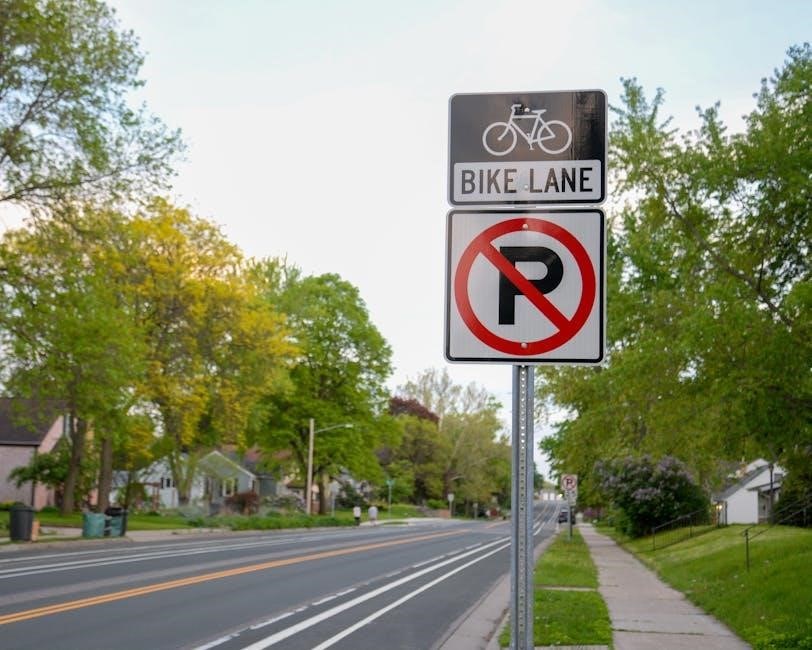
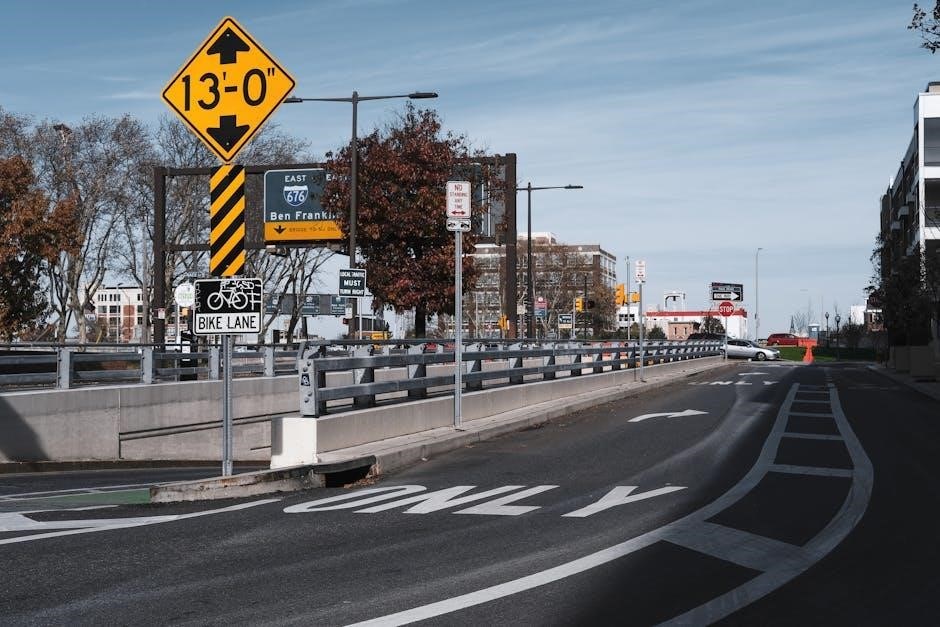
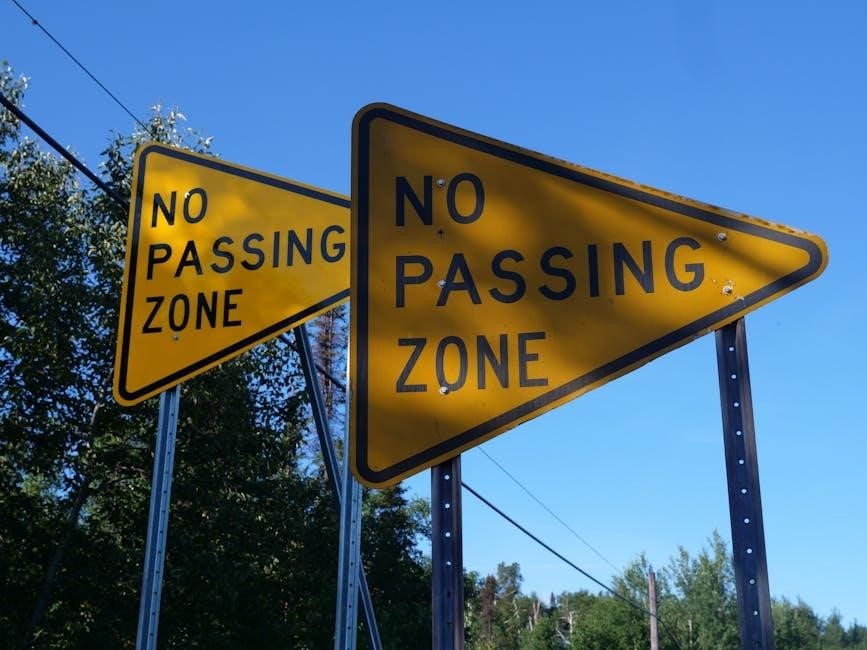
A strong grasp of traffic signals and signs is fundamental to passing the NJ permit test. You’ll be evaluated on recognizing various sign shapes (octagons, triangles, diamonds) and their corresponding meanings – warnings, regulations, and guidance. Understanding signal indications, including steady, flashing, and arrow lights, is equally vital.
Quizlet’s flashcards can be incredibly helpful for memorizing these visual cues and their associated rules.
Be prepared to identify signs related to speed limits, lane usage, and potential hazards, demonstrating safe road awareness.

B. Right-of-Way Rules
Navigating intersections safely hinges on a clear understanding of New Jersey’s right-of-way regulations. The permit test will assess your knowledge of yielding to pedestrians, emergency vehicles, and other traffic scenarios. Knowing when you have the right-of-way, and crucially, when you don’t, is paramount for preventing accidents.
Quizlet’s resources can aid in memorizing these often-complex rules, particularly concerning uncontrolled intersections and merging situations.
Expect questions testing your ability to apply right-of-way principles in diverse driving conditions.
C. Speed Limits and Regulations
New Jersey enforces strict speed limits varying by road type and location. The permit test will evaluate your comprehension of these limits – residential, business, and highway zones all have distinct regulations. Understanding posted speed limits, and adjusting for conditions like weather, is vital for safe driving.
Resources like practice tests, potentially found on Quizlet, will present scenarios requiring you to identify appropriate speeds.
Be prepared for questions about speed limits in school zones and construction areas.
D. Safe Driving Practices
Safe driving encompasses a wide range of behaviors crucial for preventing accidents. The NJ permit test assesses your knowledge of maintaining a safe following distance, proper lane usage, and scanning the road for potential hazards. Expect questions regarding defensive driving techniques and recognizing risky situations.
Resources like practice quizzes, potentially available on platforms like Quizlet, will test your understanding of these concepts.
Understanding the Implied Consent Law is also part of safe driving practices.
IV. The Implied Consent Law
New Jersey’s Implied Consent Law is a critical component of road safety and a frequent topic on the permit test. This law essentially states that by operating a motor vehicle on New Jersey roadways, you automatically consent to chemical testing – typically a breath test – if lawfully arrested for driving under the influence of alcohol or drugs.
Quizlet flashcards highlight this law, defining it as agreement to a breath test upon arrest for suspected DUI. Refusal to submit to testing carries its own penalties, often more severe than a low-level DUI.
V. New Jersey’s Point System
New Jersey employs a point system to monitor driver behavior and ensure road safety. Violations of traffic laws result in points being assessed against a driver’s record. Accumulating too many points within a specified timeframe can lead to license suspension or revocation, impacting driving privileges.
Understanding how points are assigned is crucial for permit test preparation. While the provided resources don’t detail specifics, knowing the system exists is vital. Maintaining a clean driving record is paramount, and awareness of potential point accumulation is key to responsible driving.
A. How Points are Assigned
New Jersey’s point system assigns values to traffic violations based on their severity. More serious offenses, like DUI or reckless driving, carry a higher point value than minor infractions. The exact point allocation for each violation is determined by the Motor Vehicle Commission (MVC).
While specific point values aren’t detailed in the current resources, understanding the principle is essential. Points typically remain on a driver’s record for three years. Consistent safe driving prevents point accumulation, safeguarding driving privileges and potentially lowering insurance costs.
B. Consequences of Accumulating Points
Accumulating points on your New Jersey driving record can lead to significant consequences. Reaching six points within three years results in a surcharge notice and increased insurance premiums. Twelve points trigger a suspension of your driving privileges, potentially requiring a reinstatement fee and retesting.
Drivers under 21 face stricter penalties; accumulating three points can lead to suspension. Maintaining a clean driving record is crucial. Understanding the point system encourages responsible driving habits and avoids costly repercussions, ensuring continued legal operation of a vehicle.
VI. Alcohol and Drug-Related Offenses
New Jersey maintains strict laws regarding driving under the influence of alcohol or drugs. The Implied Consent Law, a key component, means drivers agree to chemical testing (breath, blood, or urine) upon lawful arrest for suspected DUI/DWI. Refusal results in immediate license suspension, independent of test results.
Penalties for violations are severe, including fines, license suspension, and potential jail time, increasing with subsequent offenses and elevated blood alcohol content (BAC). Understanding these laws is vital for responsible driving and avoiding legal ramifications.
A. DUI/DWI Laws in New Jersey
New Jersey’s Driving Under the Influence (DUI) and Driving While Intoxicated (DWI) laws are stringent. A BAC of 0.08% or higher is considered legally intoxicated for drivers over 21. Drivers under 21 face penalties with even a lower BAC. The Implied Consent Law dictates agreement to chemical testing if arrested for suspicion of DUI/DWI.
These laws cover not only alcohol but also controlled dangerous substances and prescription medications that impair driving ability. Violators face escalating penalties, including fines, license suspension, and potential imprisonment, depending on the severity and prior record.
B. Penalties for Driving Under the Influence
New Jersey imposes severe penalties for DUI/DWI offenses. First-time offenders can face fines ranging from $500 to $1,000, a license suspension of three to twelve months, and mandatory alcohol education programs. Subsequent offenses escalate these penalties significantly.
Repeat offenders may encounter jail time, substantially higher fines, and extended license revocations. Ignition interlock devices may be required for reinstatement. Refusal to submit to breathalyzer tests also carries penalties, including automatic license suspension, independent of the DUI/DWI charge outcome.

VII. Seat Belt Laws and Child Restraint Requirements
New Jersey law mandates that all vehicle occupants wear seat belts. This applies to drivers and passengers of all ages, in every seating position. Failure to comply results in fines and court costs; Furthermore, New Jersey has strict child restraint laws designed to protect young passengers.
Children under eight years old, or those under 57 inches tall, must be secured in an approved car seat or booster seat. Proper installation and usage are crucial for effectiveness. Violations can lead to substantial fines and potential points on your driving record.
VIII. Motorcycle-Specific Regulations (If Applicable)
While the provided context doesn’t detail NJ motorcycle regulations, successful permit test completion necessitates understanding them if you plan to operate a motorcycle. New Jersey requires a separate motorcycle endorsement on your driver’s license. This involves passing a knowledge test focused on motorcycle-specific laws and a skills test demonstrating safe operation.
Helmet use is mandatory for all riders and passengers. Motorcycles are also subject to specific equipment requirements and traffic laws. Familiarize yourself with these regulations through the NJ Driver Manual and dedicated motorcycle safety courses to ensure safe and legal riding.
IX. Common Mistakes to Avoid on the Permit Test
Many applicants struggle with interpreting traffic signs accurately, leading to preventable errors on the NJ permit test. Misunderstanding the meaning of various signs – regulatory, warning, and guide signs – is a frequent issue. Similarly, incorrectly applying right-of-way rules causes significant failures.
Carefully read each question and answer choice, avoiding hasty selections. Don’t overthink, but ensure your answer aligns with the principles outlined in the NJ Driver Manual. Utilize practice tests to identify your weak areas and refine your understanding of these critical concepts.
A. Misinterpreting Traffic Signs
A common pitfall on the NJ permit test is misinterpreting the diverse range of traffic signs. Applicants often confuse warning signs with regulatory signs, or fail to recognize the specific meaning of unique symbols. For example, understanding the difference between a yield sign and a stop sign is crucial.
Thoroughly study the NJ Driver Manual’s section on traffic signs, paying close attention to shape, color, and symbol meanings. Practice identifying signs quickly and accurately using online resources and practice tests to build confidence and avoid costly errors;
B. Incorrectly Applying Right-of-Way Rules
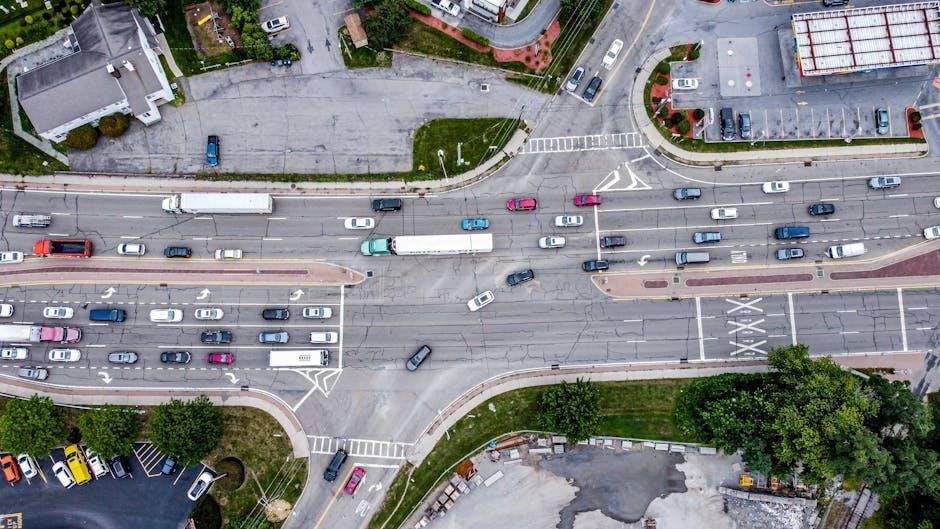
Another frequent error on the NJ permit test involves misunderstanding right-of-way regulations. Many applicants struggle with scenarios involving intersections, merging traffic, and pedestrian crossings. Knowing when you have the right-of-way, and crucially, when you must yield, is paramount for safe driving and test success.
Carefully review the NJ Driver Manual’s detailed explanations of right-of-way rules. Utilize practice questions that present various traffic situations to solidify your understanding. Remember, defensive driving prioritizes yielding even when legally possessing the right-of-way.
X. Practice Tests and Study Resources
Effective preparation hinges on utilizing available practice tests and study materials; The official NJ Motor Vehicle Commission (MVC) website provides a valuable practice test mirroring the actual exam’s format and content. Supplement this with third-party websites and mobile applications offering a wider range of questions.
Flashcards, like those found on Quizlet, are excellent for memorizing key terms and concepts, including the Implied Consent Law. Regularly assess your progress by analyzing incorrect answers to pinpoint areas needing further study. Consistent practice builds confidence and familiarity.
A. Official NJ MVC Practice Test
The New Jersey Motor Vehicle Commission (MVC) offers an invaluable official practice test. This resource is specifically designed to simulate the actual permit test experience, providing a realistic assessment of your knowledge. It covers a broad spectrum of topics, mirroring the content found within the NJ Driver Manual.
Taking this practice test allows you to identify areas where you may need additional study. Familiarize yourself with the question format and timing. Remember, understanding concepts like the Implied Consent Law is crucial, and the MVC test will likely include questions on this topic.
B. Third-Party Practice Websites and Apps
Numerous third-party websites and mobile applications supplement the official NJ MVC practice test. These platforms often present questions in varied formats, enhancing your understanding and retention. Resources like Quizlet provide flashcards, focusing on key concepts like the Implied Consent Law, aiding memorization.
While convenient, ensure the content aligns with the latest NJ Driver Manual. Cross-reference information to confirm accuracy. These tools are excellent for reinforcing knowledge gained from official sources and identifying weak areas requiring further attention. Consistent practice across multiple platforms maximizes your preparedness.
C. Utilizing Flashcards for Memorization
Flashcards are a highly effective study method for the NJ permit test, particularly for memorizing laws and regulations. Platforms like Quizlet offer pre-made sets focusing on essential topics, including the Implied Consent Law – understanding you agree to breath tests if suspected of DUI.
Creating your own flashcards reinforces learning. Focus on traffic signs, right-of-way rules, and speed limits. Regularly review cards, separating mastered concepts from those needing more attention. This active recall technique significantly improves retention and boosts confidence when facing multiple-choice questions.

XI. Understanding Defensive Driving Techniques
Defensive driving is crucial for safe operation and a key component assessed on the NJ permit test. It’s about anticipating potential hazards and reacting proactively to avoid collisions. This includes maintaining a safe following distance, scanning the road ahead, and being aware of surroundings.
Understanding the Implied Consent Law – agreeing to breath tests when suspected of DUI – demonstrates responsible driving. Flashcards, like those found on Quizlet, can aid in memorizing these vital concepts. Prioritize hazard recognition and practicing safe decision-making skills for success.
XII. Pedestrian and Bicycle Safety
New Jersey prioritizes the safety of pedestrians and cyclists, and permit test questions reflect this. Drivers must yield the right-of-way to pedestrians in crosswalks, marked or unmarked. Maintaining awareness of cyclists sharing the road is equally vital, providing ample space when passing.
Resources like Quizlet’s flashcards can reinforce understanding of laws like the Implied Consent Law, but also pedestrian right-of-way rules. Always anticipate pedestrian movements and bicycle paths. Safe interactions require vigilance and adherence to traffic regulations for all road users.
XIII. Sharing the Road with Large Trucks and Buses
Operating a vehicle safely alongside large trucks and buses demands specific knowledge, tested on the NJ permit exam. These vehicles have significant blind spots and require greater stopping distances. Maintaining a safe following distance is crucial, as is avoiding lingering in their blind spots.
Quizlet’s flashcards, while focusing on laws like Implied Consent, can also aid in remembering truck-specific regulations. Be mindful of their wider turning radius and limited maneuverability. Understanding these factors promotes safer interactions and reduces accident risks for all drivers.
XIV. Railroad Crossing Safety
Navigating railroad crossings safely is a vital component of responsible driving, heavily emphasized on the NJ permit test. Always slow down, look and listen for approaching trains, and never proceed if warning signals are active. Understanding the different types of crossings – with or without gates – is essential.
Resources like Quizlet, offering flashcards on topics including the Implied Consent Law, indirectly reinforce the importance of attentiveness. Prioritize caution; a train’s speed and weight make collisions catastrophic. Never attempt to beat a train, and be aware of multiple tracks.
XV. Winter Driving Safety Tips
Navigating New Jersey’s winters demands heightened awareness and adjusted driving techniques, crucial knowledge for the permit test. Reduce speed significantly, increase following distance, and ensure your vehicle is properly maintained for cold weather – tires, fluids, and lights are key.
Resources like Quizlet, while focusing on laws like the Implied Consent Law, underscore the need for responsible decision-making. Be prepared for slippery roads, reduced visibility, and potential delays. Clear snow and ice completely from your vehicle before driving, and avoid sudden stops or turns.
XVI. Emergency Situations and Procedures
Knowing how to react during roadside emergencies is vital for safe driving and a key component of the NJ permit test. Should you experience a breakdown, pull over to a safe location, activate hazard lights, and remain visible.
Resources like Quizlet, which cover laws such as the Implied Consent Law, also implicitly emphasize responsible behavior. Be prepared for flat tires, mechanical failures, or inclement weather. Understand procedures for reporting accidents and seeking assistance. Prioritize your safety and the safety of others on the road during any emergency situation.
XVII. Vehicle Maintenance and Safety Checks
Regular vehicle maintenance is crucial for safe operation and can be indirectly assessed on the NJ permit test through questions about responsible driving. Before each trip, perform basic safety checks: tires, lights (headlights, brake lights, turn signals), and fluid levels.
Resources like Quizlet, focusing on laws like the Implied Consent Law, reinforce the importance of being a responsible driver. Ensure your vehicle is in good working order to prevent breakdowns and accidents. Familiarize yourself with warning signs and address any issues promptly. Proactive maintenance enhances safety for yourself and others.
XVIII. Insurance Requirements in New Jersey
Understanding New Jersey’s insurance laws is vital for all drivers, and indirectly tested through responsible driving concepts. New Jersey requires all drivers to maintain minimum levels of liability insurance. This coverage protects you financially in case of an accident where you are at fault.
Resources like Quizlet, which cover laws like the Implied Consent Law, emphasize responsible vehicle operation. Familiarize yourself with the required coverage amounts and ensure your policy is current. Operating a vehicle without valid insurance carries significant penalties. Proper insurance safeguards you and other drivers on the road.
XIX. Obtaining Your Learner’s Permit
Securing your learner’s permit is the first step towards driving independence in New Jersey. The process involves meeting specific requirements and successfully passing both the knowledge and vision tests. Required documents typically include proof of identity, Social Security number, and New Jersey residency.
Preparation resources, like those focusing on the Implied Consent Law found on platforms like Quizlet, are crucial for the knowledge test. Once you’ve gathered the necessary paperwork, you can apply at a Motor Vehicle Commission (MVC) agency. Passing the tests allows you to practice driving with a supervising driver.
A. Required Documents
Gathering the correct documentation is paramount when applying for a New Jersey learner’s permit. You’ll need to verify your identity with a primary identification document, such as a birth certificate or valid U.S. passport. Proof of Social Security number is also essential, typically a Social Security card.
Furthermore, you must demonstrate New Jersey residency through documents like a utility bill or school record. Understanding laws like the Implied Consent Law, often reviewed on platforms like Quizlet, won’t replace these document requirements. Ensure all documents are original or certified copies to avoid delays.
B. Application Process
The NJ learner’s permit application process involves several key steps. First, complete the application form (Form MV-14) accurately and legibly. Then, submit the required documentation – proof of identity, Social Security number, and NJ residency – at a Motor Vehicle Commission (MVC) agency.
After document verification, you’ll pay the applicable permit fee. Passing the knowledge test, covering topics like the Implied Consent Law (often practiced via Quizlet flashcards), is crucial. Finally, a vision test is administered. Successful completion of all steps grants you your learner’s permit!
XX. Frequently Asked Questions (FAQ)
Many applicants wonder about the NJ permit test. Is the test difficult? Practice is key! Resources like Quizlet, offering flashcards on the Implied Consent Law and other vital topics, significantly improve preparedness. What documents are needed? Proof of identity, Social Security number, and NJ residency are essential.
Can I retake the test if I fail? Yes, but with a waiting period. Is studying the Driver Manual enough? While helpful, supplementing with practice tests and focused study aids is highly recommended for optimal success.
XXI. Sample Permit Test Questions (Multiple Choice)
Let’s test your knowledge! Here’s a sample question mirroring the NJ permit test format. The Implied Consent Law states: a) Permission to drive another’s vehicle. b) Mandatory seatbelt use for all occupants. c) Agreement to a breath test upon arrest for suspected DUI. d) None of the above.
(Answer: c). Practice with similar questions is crucial. Resources like Quizlet provide numerous flashcards covering essential laws and regulations. Familiarize yourself with traffic signals, right-of-way rules, and safe driving practices to maximize your score.
XXII. Analyzing Incorrect Answers
Don’t just see that you were wrong, understand why. When reviewing practice questions – like those found on Quizlet focusing on the Implied Consent Law – dissect each incorrect response. Was it a misinterpretation of the question, or a gap in your knowledge of NJ driving regulations?
Focus on the reasoning. For example, if you incorrectly chose ‘a’ regarding the Implied Consent Law, revisit the definition. Thorough analysis transforms mistakes into learning opportunities, solidifying your understanding and boosting your confidence for the official NJ permit test.
XXIII. Resources for Drivers with Disabilities
New Jersey provides accommodations for drivers with disabilities. The Motor Vehicle Commission (MVC) offers adaptive driving evaluations and specialized permits. These resources ensure equitable access to driving privileges for all eligible residents.
Explore available assistance. While practice tests, like those on Quizlet covering the Implied Consent Law, are universally helpful, the MVC website details specific programs and modifications. Contacting the MVC directly will provide tailored guidance regarding testing accommodations and vehicle modifications to meet individual needs, promoting safe and independent mobility.
XXIV. Conclusion: Preparing for Success
Consistent study and practice are key to passing the NJ permit test. Utilize available resources, including the NJ Driver Manual and practice tests, to familiarize yourself with traffic laws and safe driving practices.
Focus on understanding core concepts. Resources like Quizlet, with flashcards on topics like the Implied Consent Law, reinforce crucial knowledge. Thoroughly analyze incorrect answers to identify areas needing improvement. Remember, a well-prepared driver is a safe driver, and success on the permit test is the first step towards responsible driving in New Jersey.